Where the Herring Came In: A Salt-and-Smoke Weekend on the Berwickshire Coast
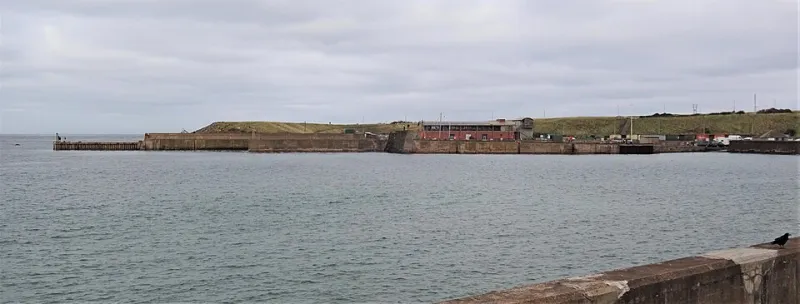
Photo: Rosser1954, CC BY-SA 4.0, via Wikimedia Commons
November is a good month for a harbour. The day-trippers have thinned out, the light comes in low and silver, and the smell of salt and diesel hangs around the pier long after the boats have tied up. On the Berwickshire coast, that smell has a history. For a century and more, this corner of the Scottish Borders was built on herring, salt and smoke — and you can still follow the thread of it on a quiet weekend, even if most of the old curing sheds themselves have gone.
This isn’t a grand food trail. It’s a short, salty loop: Eyemouth, St Abbs, a stretch of coast path, then inland for butchers, farm shops and an inn kitchen that knows what to do with a bit of cured fish. Bring a coat that can take a haar and boots that can take mud.
Start at Eyemouth harbour
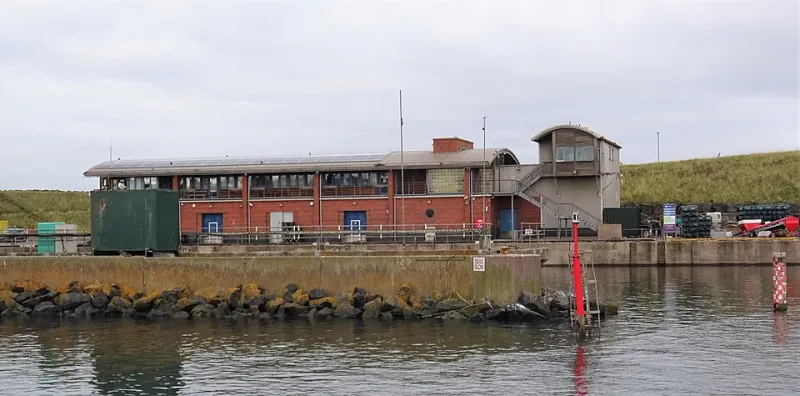
Eyemouth is the obvious place to begin because it still feels like a working port, not a heritage set. The harbour is split in two, the cliffs sit right behind the town, and the whole place has the slightly battered, practical air of somewhere that has never had time to tart itself up for visitors.
Walk the harbour wall first. Look at the old quays and imagine them stacked with barrels. In the herring season, curing yards ran along the shore here and in the smaller coves nearby. Women followed the fish down the coast — the herring girls — gutting and packing by hand, their fingers bound with strips of cloth against the salt. The work was fast, cold and relentless. The sheds smelled of brine, fish and sawdust.
That sawdust detail is the one that stays with you. It wasn’t there for comfort. It was spread on the floors to soak up blood, slime and brine, then swept out and burned or carted away. Smoke came later, or from the chimney, depending on the cure. Salt did the preserving; smoke did the flavouring. Between them, they turned a glut of fish into something that could travel.
The museum and the missing sheds
Eyemouth Museum is small and genuinely good on this stuff. It holds the sort of local collection that could easily feel dusty but doesn’t: photographs, tools, and the big tapestry that tells the story of the town. The herring trade is in there, along with the fishing disaster of 1881, which still hangs over the place in the way that only a sea disaster can.
Don’t expect to find a row of preserved curing sheds to wander through. Most have gone, replaced by harbour walls, car parks and houses. What remains is the shape of the town, the names on the quays, the photographs, and the odd bit of stonework that looks like it was built for a trade rather than a view. That’s enough. This is one of those places where the history is in the gaps as much as the exhibits.
If the museum is closed — out of season hours can be creative — the harbour itself still does the job. Stand at the mouth of the Eye and watch the water push in. It’s not hard to picture the place crowded with masts and barrels.
A coastal walk to St Abbs
The best way to earn your lunch is the coastal path from Eyemouth to St Abbs. It’s roughly four miles, with a few ups and downs, and it gives you the coast as the curing trade would have known it: small bays, rocky points, and the constant noise of water. In late autumn the path can be muddy and slippery, so take your time. The rewards are the views back to Eyemouth and the sudden, dramatic drop into St Abbs Head.
St Abbs itself is tiny and handsome, with a harbour that looks almost too perfect. It’s a working dive and fishing village, not a museum piece. Ebba’s Café is the obvious stop for a bowl of something hot, and the visitor centre near the headland is worth a look if it’s open. The walk out to St Abbs Head is short and spectacular, especially when the sea is up.
If you’ve got a car, the shorter option is to drive to St Abbs and do a there-and-back walk along the cliffs. If you’re relying on buses, check the timetable carefully — services are thin on Sundays and can change with the season.
Salt, smoke and the shops that still do it properly
The Borders don’t have a huge number of traditional smokehouses left, but the region is full of people who cure, pickle and sell good things in small quantities. The trick is to ask rather than assume. Family butchers in places like Kelso, Duns and Melrose often cure their own bacon or stock locally smoked cheese. Farm shops and delis — the Mainstreet Trading Company at St Boswells is a reliable pit stop — will point you towards whatever is being smoked that week.
Look for the words ‘dry cured’ on bacon. Ask where the fish was smoked. If someone behind a counter can tell you the name of the smokehouse, the wood used and how long it hung, buy something. That’s the edible souvenir worth carrying home: a vacuum-packed bit of smoked trout, a slab of bacon, a wedge of smoked cheese that will make a Monday sandwich feel like a weekend.
For a proper sit-down dose of the same flavours, head inland to the Allanton Inn, near Chirnside. It’s a whitewashed old coaching inn with a good fire, a decent pint and a kitchen that understands local ingredients without making a fuss about them. Smoked fish, game, roots and greens — the sort of food that suits a cold night after a coastal walk.
A Sunday of butchers and back roads
Sunday is for the hinterland. Drive or bus up through the farmland behind Eyemouth, where the coast turns into big skies and muddy fields. This is quiet country. Villages like Coldingham and Reston are worth a slow pass, and the back roads towards Duns and Greenlaw give you the Borders at their most agricultural: tractors, stone steadings, and the smell of woodsmoke from chimneys.
If you’re after a proper farm shop, the Born in the Borders site near Jedburgh is a good bet for a browse and a coffee, though it’s a bit further west. Closer to the coast, local butchers and village shops are the real thing. Don’t expect glossy displays. Do expect to queue behind someone buying a kilo of sausages and a bag of tatties.
Practical bits
- Getting there: Berwick-upon-Tweed is the nearest mainline station, with buses on to Eyemouth. The coastal path is best done on foot, but a car makes the inland loop much easier.
- When to go: Late autumn is ideal — quiet harbours, low light, and no need to book every meal. Check opening hours before you travel; small places shut early and close on odd days.
- What to wear: Waterproof boots, a warm layer and a hat. The coast path is exposed and the weather can turn fast.
- What to buy: Dry-cured bacon, smoked fish, local cheese, oatcakes. Keep it simple and carry a cool bag if you’re driving home the same day.
This isn’t a weekend that will fill your camera roll with grand monuments. It’s quieter than that: a harbour, a path, a museum photograph of women in headscarves, a butcher’s counter, a pint by a fire. Salt and smoke, mostly gone from the sheds, still turning up on the plate. That’s the Borders for you — the history is in the ingredients if you know where to look.