Wet-Weather History: A Rainy-Day Route Through Abbotsford, Galashiels and Melrose
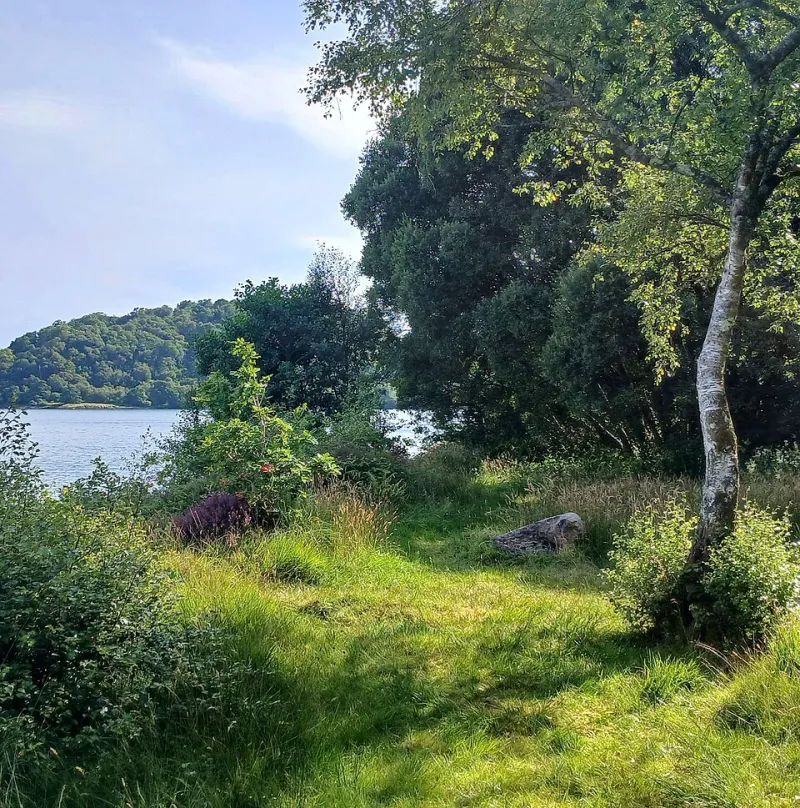
Photo: Rowyn flowerdew, CC0, via Wikimedia Commons
There is a particular kind of Borders rain that arrives sideways, settles in for the afternoon and makes the Eildon Hills look like a watercolour left out in the garden. Visitors often treat this as a lost day. Locals treat it as a reason to go and look at something indoors, slowly, with a cup of tea at the halfway point.
This itinerary does exactly that. It strings together three very different indoor heritage sites in the central Borders — a laird's house, a 143-metre tapestry and a Roman museum the size of a decent village hall — and leaves room for the sort of cafe stops that make a wet day feel deliberate rather than defeated.
Why Rain Suits This Part of the World
So much of Borders history is a story told indoors: about books, about stitching, about objects dug out of fields. Abbotsford is a house built by a man who wrote for a living. The tapestry in Galashiels is a national project made by a thousand pairs of hands. Trimontium is the Roman frontier reassembled in display cases. None of them need sunshine. In fact, grey light through a library window rather suits them.
Stop One: Abbotsford House, Near Melrose
Allow: 2 to 2.5 hours, including the cafe.
Abbotsford, Walter Scott's extraordinary baronial pile a few minutes from Melrose, is the obvious starting point and the one place where you should book before you leave the house. House entry runs on timed slots, and in the quieter months the house itself opens on reduced days — typically closing over the deepest part of winter and reopening in spring. Check the website for the week you are travelling rather than assuming.
The house is the draw: the library, the armour, the study where the Waverley novels were written, and a general sense that a Victorian novelist with a taste for the dramatic was let loose with a chequebook. The visitor centre, exhibition and cafe are the practical bit, and the cafe is a sensible place to sit out a squall before moving on.
Tip: the grounds and riverside paths are free to wander and take about 20 minutes even in drizzle, which is just enough fresh air to reset before the next indoor stretch.
Stop Two: The Great Tapestry of Scotland, Galashiels
Allow: 1.5 hours, plus tea.
Ten minutes down the road in Galashiels, the Great Tapestry of Scotland is the closest thing the country has to a secular pilgrimage. One hundred and sixty panels, roughly 143 metres in total, stitched by around a thousand volunteers from across Scotland — and the Borders panels are among the ones people stop at longest.
This is a genuinely good rainy-day attraction: warm, quiet, absorbing, and laid out so you walk the story of Scotland from the geological beginning to the near-present. Book online where you can, especially at weekends and in school holidays, and go early in the day if you want the room to yourself.
The building also has a cafe, which solves the mid-afternoon problem neatly.
Stop Three: Trimontium Museum, Melrose
Allow: 45 minutes to an hour.
Back towards Melrose, the Trimontium Museum tells the story of the Roman fort at Newstead — the largest Roman site in Scotland, sitting quietly under a field just outside the town. It is small, well curated and full of the sort of objects that make you rethink how far the Roman world stretched: cavalry fittings, coins, day-to-day kit from people posted to the edge of an empire.
It is also mercifully compact. On a wet afternoon, an hour of focused looking beats three hours of trudging round a stately home.
Cosy Stops to Break Up the History
A heritage day lives or dies on its pauses. Good options in the central Borders:
- A bookshop-cafe in St Boswells just south of Melrose, where books, cake and a woodburner share a room. Ideal for a wet-hour reset.
- A riverside pub in Gattonside, reached over the chain bridge from Melrose — a proper lunch stop if the weather has cancelled any ambitions of walking.
- Melrose high street, which has a handful of small cafes and bakeries that fill up fast when it rains. Go at 11 or at 3, not at 1.
A Workable Timetable
- 09:30 — Arrive Abbotsford for the first house slot. Park, collect tickets, start in the house while it is quiet.
- 11:45 — Cafe stop, then drive to Galashiels (about 10 minutes).
- 12:30 — Great Tapestry of Scotland. Booked slot, wander at your own pace.
- 14:00 — Late lunch in Galashiels or back towards Melrose.
- 15:15 — Trimontium Museum.
- 16:15 — Tea and a bookshop, or a very damp but bracing walk round Melrose Abbey's exterior before the light goes.
If the Rain Sets In for a Whole Weekend
Add a second day. Jedburgh's Mary Queen of Scots' House is small, atmospheric and thoroughly indoors. Halliwell's House in Selkirk covers the town's shoemaking and literary past in a couple of rooms. Old Gala House in Galashiels does local history in a much-loved old building. And the Tweeddale Museum in Peebles, tucked into the Chambers Institution, is a good hour on a wet morning.
Further south, Hawick's museums do a fine job on the textile trade — which, once you have seen the tapestry, feels like the other half of the same story.
Practical Notes
- Book Abbotsford and the tapestry in advance. Both take walk-ups when they can, but neither owes you a slot in the rain.
- Check winter and shoulder-season opening. Several Borders heritage sites run reduced days outside the main season. A two-minute check beats a wasted 40-mile drive.
- Park once, walk between things where you can. Melrose town centre parking is straightforward; Galashiels has town-centre car parks within a few minutes of the tapestry building.
- Layer up. Even an indoor day here involves short walks between car parks, and the wind off the Tweed is honest about itself.
Rain, in the end, is just a different way into the Borders. Swap the hill for the library, the viewpoint for the stitching, and you will come away knowing far more about the place than a dry day on the tops would have taught you.