Stand Back and Cheer: A Visitor’s Guide to the Borders Common Ridings
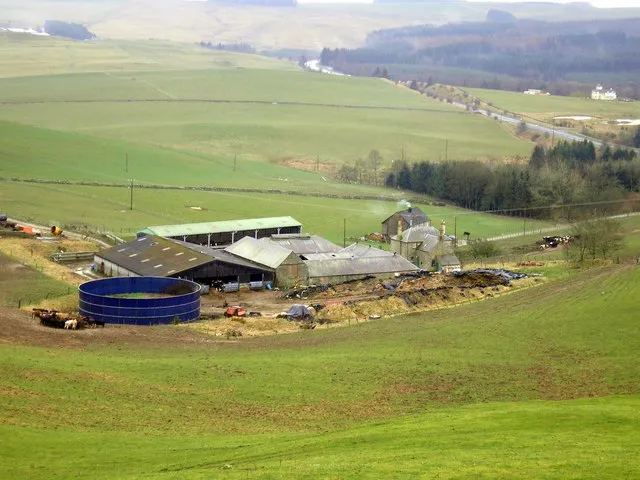
Photo: Iain Lees, CC BY-SA 2.0, via Wikimedia Commons
Some visitors arrive in a Borders town on a summer morning, see a hundred horses in the High Street and assume they have stumbled into a film set. The truth is better: it is a common riding, and it has been happening for generations. These are not staged parades for tourists. They are part boundary ride, part remembrance, part town-wide reunion, and you are welcome to watch — but a little preparation makes the day better for everyone.
What is a common riding, then?
A common riding marks the old practice of riding a town’s boundaries, checking that the marches were intact and reminding everyone where the land began and ended. In the Borders, that practical job became tangled up with reiver history, local pride and commemoration of people who did not come home. Each town does it differently. Some have a Cornet, some a Standard Bearer, some a Lass; almost all have songs, horses and moments of genuine solemnity.
That mix is what makes them special — and what catches first-timers out. One minute you are cheering a cavalcade, the next everyone has gone quiet for a ceremony you do not understand. You do not need to understand every word. You do need to read the room.
Three good places to start
Hawick
Hawick’s common riding is big, busy and unforgettable. It is usually one of the first in the season, and the town fills up. That makes it exciting but not exactly gentle. Arrive early, park away from the centre and expect to stand on a pavement rather than glide about with a camera. The atmosphere is tremendous, but it is a local day first and a spectator event second.
Build the rest of the day around Hawick’s heritage rather than trying to follow the rideout. The Borders Textile Towerhouse and Hawick Museum in Wilton Lodge Park give you the town’s mill and reiver background without fighting for a view. For a café stop, look for an independent place on or near the High Street rather than heading for the first chain you see. Book if you can; common riding day is not the moment for a casual walk-in at noon.
Selkirk
Selkirk feels more compact and, for many first-timers, more manageable. The common riding here is deeply felt, and the ceremonies have a weight that is easier to absorb in a smaller crowd. You can watch the main moments, take a quiet walk by the Ettrick Water and still have time for Halliwell’s House Museum. If you want to understand the emotional side of these events rather than just the spectacle, Selkirk is a good place to start.
Melrose
Melrose is the gentler option. The town is small, the abbey is right there, and the common riding feels woven into a day out rather than swallowing it whole. Watch the cavalcade, then walk by the Tweed, cross the Chain Bridge if the weather is kind, and finish with an independent deli or café near the centre. It is a good choice if you are travelling with someone who likes horses but not crowds, or if you want to combine the event with a proper look at the abbey.
Galashiels’ Braw Lads Gathering is another option later in the season, but start with one of the three above and you will get the idea.
How to watch without getting in the way
The golden rule is simple: you are a guest at someone else’s party. That does not mean you have to skulk at the back. It means giving the horses space, following the stewards and not treating the High Street like a photo pit.
Stand behind barriers or on the pavement, never in the road. Do not touch the horses, and keep bags, umbrellas and pushchairs well back — horses are prey animals and sudden movements matter. Avoid flash photography near them. Keep dogs away from the route. If a steward asks you to move, move first and ask questions later.
During solemn moments, stop talking, lower your phone and listen. You will not know the songs, and that is fine. Cheer when the town cheers. Do not try to join the rideout on foot or by bike; it is not a fun ride, and you will be politely but firmly moved on. Book food and drink ahead, expect busy pubs, and carry a rain jacket even if the morning looks perfect.
Build a gentle day around the cavalcade
Do not try to do everything. A good first common riding day has three parts: watch, walk, eat. Arrive in time for the main procession, but leave yourself an escape route from the busiest corner. Once the horses have passed, let the town exhale and take a short heritage walk — a museum, an abbey, a riverside path or a look at the old town architecture. Then find an independent café or deli, sit down properly and let the day settle.
That rhythm works in Hawick, Selkirk and Melrose. It also stops you from spending the whole day chasing the rideout, which is both exhausting and slightly missing the point. The riding is the centrepiece, but the town is the reason you came.
The awkward bit: being a visitor, not a local
You will not know the songs. You will not know which corner the Cornet turns at, or why someone beside you is crying. That is fine. The worst thing you can do is pretend otherwise. Ask a polite question if the moment is right, but do not interrupt a ceremony to do it. Spend money in the town, be patient with road closures, and remember that this is a community day before it is a visitor attraction.
The best compliment you can pay a common riding is to stand back, pay attention and cheer when the town cheers. You do not need to be a local to do that well.